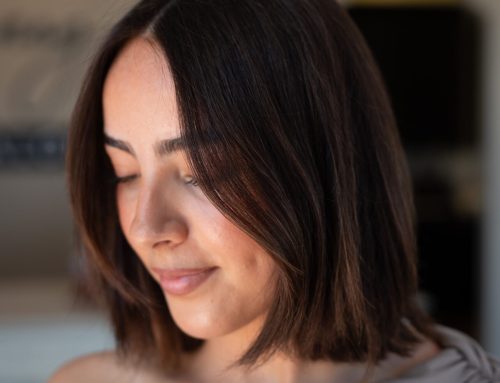
Iconic Cuts Reimagined for Today
As licensed stylists at Jenny’s Salon in Mechanicsburg, we’ve witnessed the fascinating cyclical nature of hair trends. What was once cutting-edge becomes passé, only to reemerge years later with fresh, modern interpretations. Right now, we’re experiencing an incredible resurgence of vintage hairstyles that defined their eras—but with contemporary updates that make them relevant and wearable for today’s clients. From the bouncy layers of the 70s to the textured crops of the 60s, these iconic vintage haircuts are being rediscovered by a new generation. Let us guide you through the most popular vintage styles making their comeback.
The Rachel: 90s Icon Reimagined
From “Friends” to Fashion-Forward
Perhaps no hairstyle is more synonymous with the 1990s than the Rachel, named after Jennifer Aniston’s character on the hit show “Friends.” This heavily layered, shoulder-length cut became a cultural phenomenon, and now it’s experiencing a major revival with modern refinements.
The Original Rachel: The classic version featured choppy, heavily textured layers throughout, face-framing pieces that flipped outward, significant volume and body, blonde highlights for dimensional color, and high-maintenance styling requirements that required significant time and skill.
The Modern Update: Today’s interpretation maintains the spirit while addressing the original’s challenges. We’ve covered the modern Rachel cut extensively, but the key updates include softer, more blended layering that’s easier to style, more versatile length options from long bobs to longer styles, easier daily styling that doesn’t require extensive blow-drying skill, and contemporary color techniques that enhance the cut’s dimension.
Who Should Try It: The updated Rachel works beautifully for those with medium to thick hair that can support the layered structure. It flatters oval to heart-shaped faces particularly well, though customization makes it adaptable. The style suits women wanting movement and dimension with a touch of 90s nostalgia.
Farrah Fawcett Feathered Layers: The Ultimate 70s Glamour
Feathered Perfection Returns
Farrah Fawcett’s iconic feathered hairstyle defined 1970s beauty and glamour. Those swooping, feathered layers that framed the face are making a stunning comeback as the butterfly haircut.
The Original Farrah: The signature style featured long, heavily layered hair with dramatic volume, feathered ends that flipped back away from the face, center-parted styling that created symmetry, significant height and body at the crown, and extensive blow-drying with a round brush to achieve the look.
The Butterfly Cut Connection: What we now call the butterfly haircut draws direct inspiration from Farrah’s feathered layers. The modern version features dramatic, choppy layers throughout, shorter layers on top creating volume, longer, wispy pieces underneath, and face-framing layers that vary in length for contemporary appeal.
Contemporary Interpretation: Today’s feathered styles embrace more natural texture and movement. The layers are customized to work with your hair’s natural pattern rather than requiring extensive heat styling. Volume is created through strategic cutting rather than aggressive blow-drying. The overall effect is more relaxed and lived-in while maintaining that signature feathered movement.
Styling the Modern Version: Unlike the original that required significant styling expertise, today’s interpretations work with various textures. Natural waves enhance the feathered quality beautifully. Air-drying with texturizing products creates effortless, tousled versions. Quick blow-drying with fingers rather than round brushes achieves casual, modern styling.
The Wolf Cut: Shag Styling Evolved
The 70s Shag Gets a Modern Name
The wolf cut has exploded in popularity on social media, but this “new” style is actually a direct descendant of the classic 1970s shag haircut with punk and rock influences.
The Original Shag: The vintage shag featured choppy layers throughout creating maximum texture, shorter pieces around the crown for volume, longer length in back creating a mullet-like silhouette, deliberately messy, undone styling, and rock-and-roll, rebellious aesthetic.
The Wolf Cut Revolution: As we’ve discussed in our comprehensive guide to the wolf cut, this modern interpretation combines shag elements with contemporary sensibilities. The style features shaggy layers throughout with varying lengths, shorter, choppy pieces around the face, longer length in back maintaining the shag tradition, heavy texturizing and choppy layers, and effortlessly messy styling that embraces natural texture.
Why It’s Trending Now: The wolf cut appeals to those seeking edgy, low-maintenance styles that work with natural texture. Social media has introduced the style to younger generations who weren’t alive during the original shag era. The deliberately undone aesthetic fits perfectly with current casual, authentic beauty trends. It works across various hair types and textures with proper customization.
The Dorothy Hamill Wedge: Pixie Precision
The Iconic 70s Short Cut
Olympic figure skater Dorothy Hamill made the wedge cut famous in the 1970s. This sleek, sporty short style featured distinctive characteristics that are finding new appreciation today.
The Original Dorothy Hamill Cut: The signature wedge featured short, precisely cut hair all around, layered back and sides that created a rounded shape, longer top section that could be styled forward or swept, tapered nape that hugged the neck, and polished, sporty aesthetic perfect for active lifestyles.
Modern Pixie Interpretations: Today’s short cuts draw inspiration from the wedge while incorporating contemporary texturizing techniques. Modern pixies feature softer, more textured edges rather than blunt precision, longer pieces on top allowing for styling versatility, customized length based on face shape and preferences, and intentional, piece-y texture instead of smooth uniformity.
The Appeal of Updated Wedge Styles: Short cuts inspired by the Dorothy Hamill wedge offer incredible practicality and ease of styling. The clean lines create a polished, professional appearance. The short length is liberating and low-maintenance. Modern versions can be edgy or elegant depending on styling approach.
Who Should Consider It: Those with oval or heart-shaped faces are particularly flattered by these short styles. Fine to medium hair textures work beautifully with the precision cutting. Active lifestyles benefit from the minimal styling requirements. Confidence is essential—short cuts showcase your features prominently and require personality to pull off successfully.
The Twiggy Cut: Mod 60s Magic
The Revolutionary Pixie
British model Twiggy revolutionized beauty standards in the 1960s, and her ultra-short, boyish pixie cut was central to her iconic look.
The Original Twiggy: This groundbreaking style featured extremely short length all over, close-cropped sides and back, slightly longer pieces on top for minimal styling, androgynous, boyish aesthetic, and emphasis on facial features, particularly eyes.
Contemporary Crop Interpretations: Modern versions of the Twiggy-inspired crop maintain the short length while adding contemporary elements. Today’s ultra-short cuts feature textured, piece-y styling rather than smooth uniformity, customized length that flatters individual face shapes, softer edges that create femininity despite short length, and versatile styling from sleek to tousled.
Styling Modern Crops: These ultra-short styles require minimal daily effort—a major advantage. Finger-styling with lightweight products creates intentional texture. The short length makes washing and drying incredibly quick. Regular maintenance every 3-4 weeks keeps the shape sharp and intentional.
The Bold Choice: The Twiggy-inspired crop is for confident individuals ready to showcase their features. The style draws attention to eyes, cheekbones, and bone structure. It makes a definitive style statement while remaining surprisingly wearable. The liberating feeling of ultra-short hair appeals to those tired of long hair maintenance.
Why Vintage Hairstyles Are Returning
The Cycle of Fashion
The resurgence of these iconic vintage haircuts isn’t random—several factors drive the revival of retro styles.
Nostalgia and Cultural Influence: Period dramas and vintage-inspired fashion have renewed interest in past decades’ aesthetics. Younger generations discover these styles fresh without the baggage of having lived through the original trends. Social media allows vintage styles to be recontextualized and shared with new audiences.
Modern Technology Meets Classic Style: Today’s cutting techniques can achieve the intent of vintage styles with better results. Modern products make styling easier and more accessible than original versions. Contemporary color techniques enhance vintage cuts with dimension the originals lacked. Professional tools allow for precision that wasn’t available in previous eras.
Seeking Individuality: In an era of somewhat homogenized beauty trends, vintage styles offer distinctiveness. These cuts make statements and showcase personality rather than following current trends blindly. The styles appeal to those seeking to stand out rather than blend in.
Modernizing Vintage Styles: The Key Principles
How We Update Classic Cuts
At Jenny’s Salon, we don’t simply recreate vintage styles exactly—we adapt them for contemporary wearability.
Softening Harsh Lines: Vintage cuts often featured blunt, precise edges that can appear severe by modern standards. We use texturizing techniques to create softer, more natural-looking edges. Point cutting and slide cutting replace blunt cutting for gentler results. The overall effect is more organic and less structured.
Adding Dimension: Original vintage styles were often monochromatic single-process color. We incorporate highlights, lowlights, and modern color techniques to add depth. Dimensional color prevents styles from appearing flat or dated. Strategic color placement enhances the cut’s movement and shape.
Customizing for Individual Features: Rather than applying a “one-size-fits-all” approach to vintage cuts, we customize every element. Face shape determines layer placement and length adjustments. Hair texture influences cutting technique and styling approaches. Personal style and lifestyle needs inform how we interpret each vintage inspiration.
Embracing Natural Texture: Vintage styles often required fighting against natural hair texture with extensive heat styling. Modern versions work with your hair’s natural patterns whenever possible. This approach is healthier for hair and more realistic for daily styling. The results feel more authentic and effortless.
Choosing Your Vintage-Inspired Style
Finding Your Perfect Retro Cut
With so many iconic vintage haircuts experiencing revivals, how do you choose which one suits you best?
Consider Your Lifestyle: Short vintage crops like the Dorothy Hamill wedge or Twiggy cut require minimal daily styling. Layered styles like the Rachel or Farrah-inspired cuts need more time and skill. The wolf cut works for those embracing natural texture and low maintenance. Your available time and styling ability should inform your choice.
Assess Your Hair Type: Fine hair benefits from layered styles like the Rachel that create the illusion of fullness. Thick hair can handle the weight removal of heavily layered wolf cuts. Straight hair showcases the precision of wedge-inspired pixies. Wavy or curly hair enhances the tousled nature of shag-inspired styles.
Evaluate Face Shape: Oval faces are flattered by virtually all vintage styles with proper customization. Round faces benefit from the angles created by pixie cuts or face-framing layers. Square faces are softened by the wispy layers of feathered or shag-inspired cuts. Long faces are balanced by the horizontal lines of blunt bobs or precise pixies.
Honor Your Personal Style: Choose vintage inspirations that align with your overall aesthetic. Edgy, creative personalities might gravitate toward wolf cuts or ultra-short crops. Classic, polished styles suit those drawn to the Rachel or refined feathered layers. Bohemian spirits often love shag-inspired, tousled vintage cuts.
Professional Expertise for Vintage Styles
Why Expert Cutting Matters
While vintage styles might appear simple—they’ve been around for decades, after all—achieving modern interpretations requires significant expertise.
Understanding the Original: Our stylists study the vintage styles to understand what made them iconic. We identify the key elements that define each cut. We understand the historical context and why these styles resonated in their eras.
Mastering Modern Adaptation: The real skill lies in updating these cuts for contemporary relevance. We know which elements to preserve and which to modify. We understand current styling products and techniques that weren’t available originally. We can predict how different hair types will respond to vintage-inspired cutting.
Customization Excellence: Every vintage-inspired cut we create is customized to the individual client. We adapt proportions to flatter your specific features. We modify techniques based on your hair’s unique characteristics. We ensure the final result feels personal rather than costume-like.
Maintaining Your Vintage-Inspired Cut
Keeping Your Style Fresh
Vintage-inspired cuts require regular maintenance to look their best and maintain their distinctive shapes.
Regular Trimming: Most vintage styles require trims every 4-6 weeks to maintain their shapes. Short cuts need more frequent maintenance to prevent growing out awkwardly. Layered styles need regular refreshing to keep the layers distinct and intentional.
Proper Styling: Learning to style your vintage-inspired cut ensures it looks intentional rather than accidental. We provide thorough education on achieving your specific look at home. Product recommendations are tailored to your cut and styling needs. Understanding the techniques that showcase your cut’s best qualities makes daily styling easier.
Evolution and Adjustment: As your hair grows and changes, we adjust the cut to maintain its essence. Seasonal variations can refresh the style while maintaining the core vintage inspiration. We work with you as your preferences evolve over time.
The return of vintage hairstyles represents more than simple nostalgia—it’s an appreciation for iconic styles that defined their eras while adapting them for modern sensibilities. Whether you’re drawn to the layered bounce of the Rachel, the feathered glamour of 70s styles, the edgy appeal of the wolf cut, the precision of pixie crops, or the revolutionary ultra-short Twiggy cut, these vintage-inspired styles offer distinctiveness and personality.
At Jenny’s Salon, we specialize in taking vintage inspiration and creating contemporary, wearable versions that enhance your individual beauty while honoring the iconic cuts that inspired them. Our expert stylists understand both the historical significance and the modern techniques required to make these styles relevant and flattering for today’s clients.
Contact us to schedule your appointment at Jenny’s Salon today! We can help you find the perfect vintage-inspired haircut in Central PA!
Never been to Jenny’s Salon before? No worries – try our Jenny’s Match Maker Free Online Consultation to see which stylist is right for you, your personality, and your hairstyle!